
Written by
Figen Zaim & Claire Davis
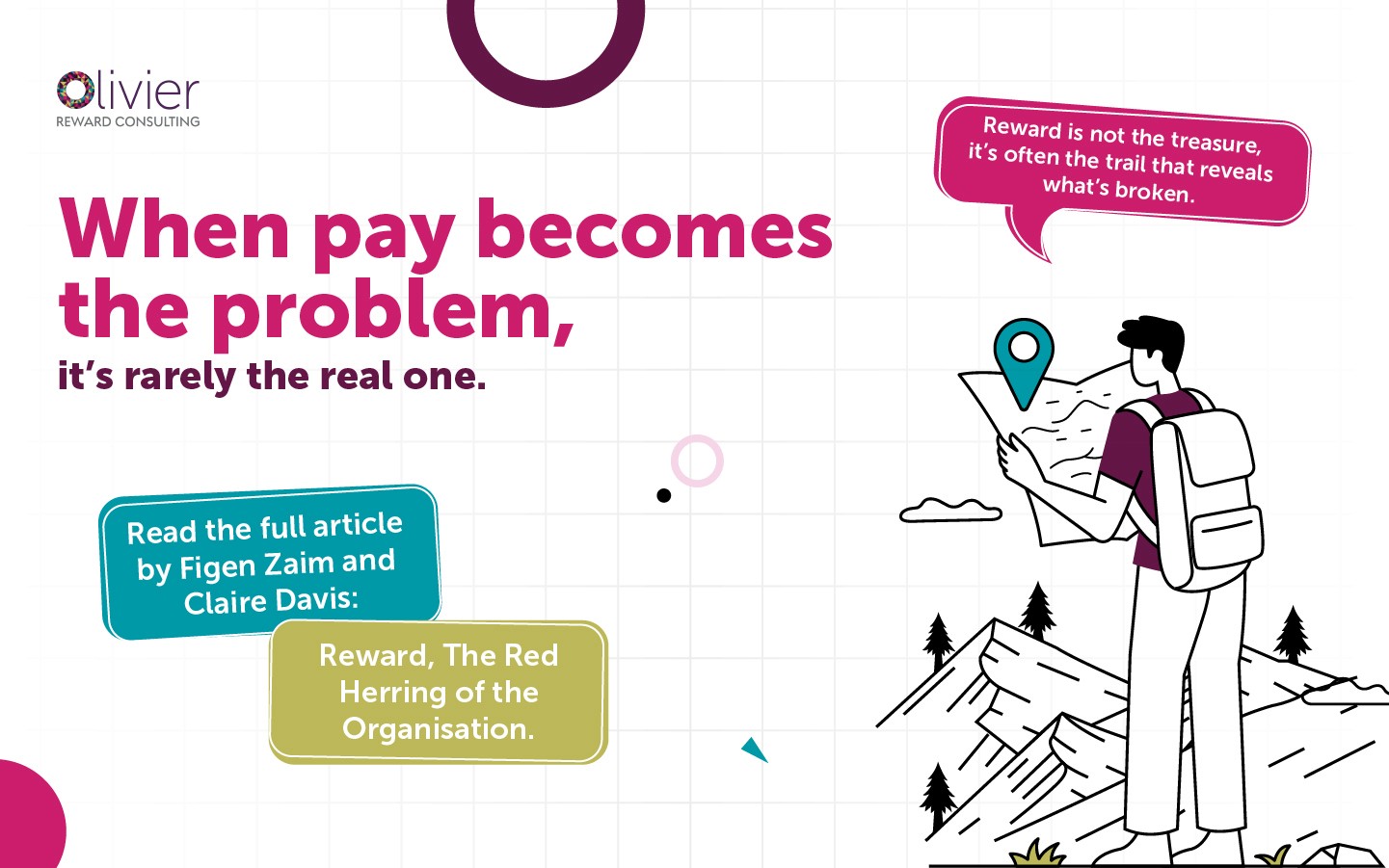
Not every clue leads to treasure, but every trail teaches us something.
For years, organisations have followed the well-trodden path of offering financial incentives, believing that higher pay would unlock higher engagement. Yet, despite salary bumps, bonuses, and benefits, many employees remain disconnected, providing proof that the treasure we seek may lie elsewhere. True engagement stems not only from pay but also from purpose, recognition, belonging, and growth. It’s time to look beyond the numbers and rediscover what truly motivates people to care, contribute, and commit.
What We Hear
“People are leaving because our salaries aren’t competitive.”
“Engagement is low because employee pay doesn’t make them feel valued.”
“The bonus scheme hasn’t improved productivity.”
These remarks echo through boardrooms and town halls, often framed as the ultimate explanation for performance and retention challenges. Leaders tighten budgets, adjust pay bands, or launch new reward schemes and yet the underlying issues persist.
The Question Behind the Question
When people say, “Can I have a pay increase/promotion/merit raise?”, what are they actually asking for?
Does a higher salary solve the problem?
Is the request really about money, or is money simply the most visible, convenient language for expressing deeper frustrations?
The real issue is why people link salary principles to recognition and fairness. When the workplace feels inequitable, uninspiring, or disconnected, compensation becomes the proxy for value. So if we’re going to treat the cause and not simply stick a band-aid over the symptom, how do we get to the question behind the question?
What’s Really Going On
In many organisations, pay and rewards become a convenient distraction - a so-called “red herring”. They divert attention from uncomfortable truths: broken trust, weak leadership, lack of clarity, and cultural drift.
Employees rarely leave only for more money; they leave for a better experience. They walk away from environments where they feel unseen, unheard, or under-appreciated, and they seek workplaces where, even if the pay is similar, their skills, motivation, and energy are recognised and rewarded transparently and fairly.
When communication falters, growth paths remain vague, or leaders fail to build meaningful connections with their teams, disengagement takes root. The sense of dissatisfaction tied to “pay” becomes an easy target.
Money, after all, is a tangible metric, whereas culture is a company’s most valuable intangible asset. Yet many leaders chase what can be easily quantified and measured - salary surveys, reward frameworks, bonus schemes - while neglecting what truly sustains engagement and performance: belonging, purpose, and psychological safety.
Treat the Cause, Not the Symptom
If reward and pay complaints are symptoms, what’s the real cause?
Recognition: People want their individual contributions to be noticed, appreciated and valued
Fairness: They expect transparency in decisions, consistency in leadership, and equity in treatment.
Growth: They seek opportunities to learn and develop, not just tasks to complete.
Connection: They want leaders who listen, care, and engage with authenticity.
When these fundamentals are absent, no pay rise will fix the problem for long.
So before redesigning a reward strategy, leaders must ask:
Do our people feel valued beyond their paycheck?
Are managers equipped to build trust and connection?
Have we diagnosed what’s truly driving disengagement?
Because until the deeper issues are addressed, every pay conversation is just a bandage on a deeper wound.
In Summary
Reward and pay matter, but they are rarely the root cause. They can offer a reflection of deeper organisational health. When we listen carefully to the “we need higher pay” message, don’t assume it’s about financial greed, and unless your salaries really aren’t covering basic human needs (food security and shelter), the issues could well be about unmet needs for respect, growth, and fairness.
Treat the cause, not the symptom.
Only then will reward feel like recognition, and not compensation for pain.